
7 Essential Fall Prevention Tips for Seniors at Home
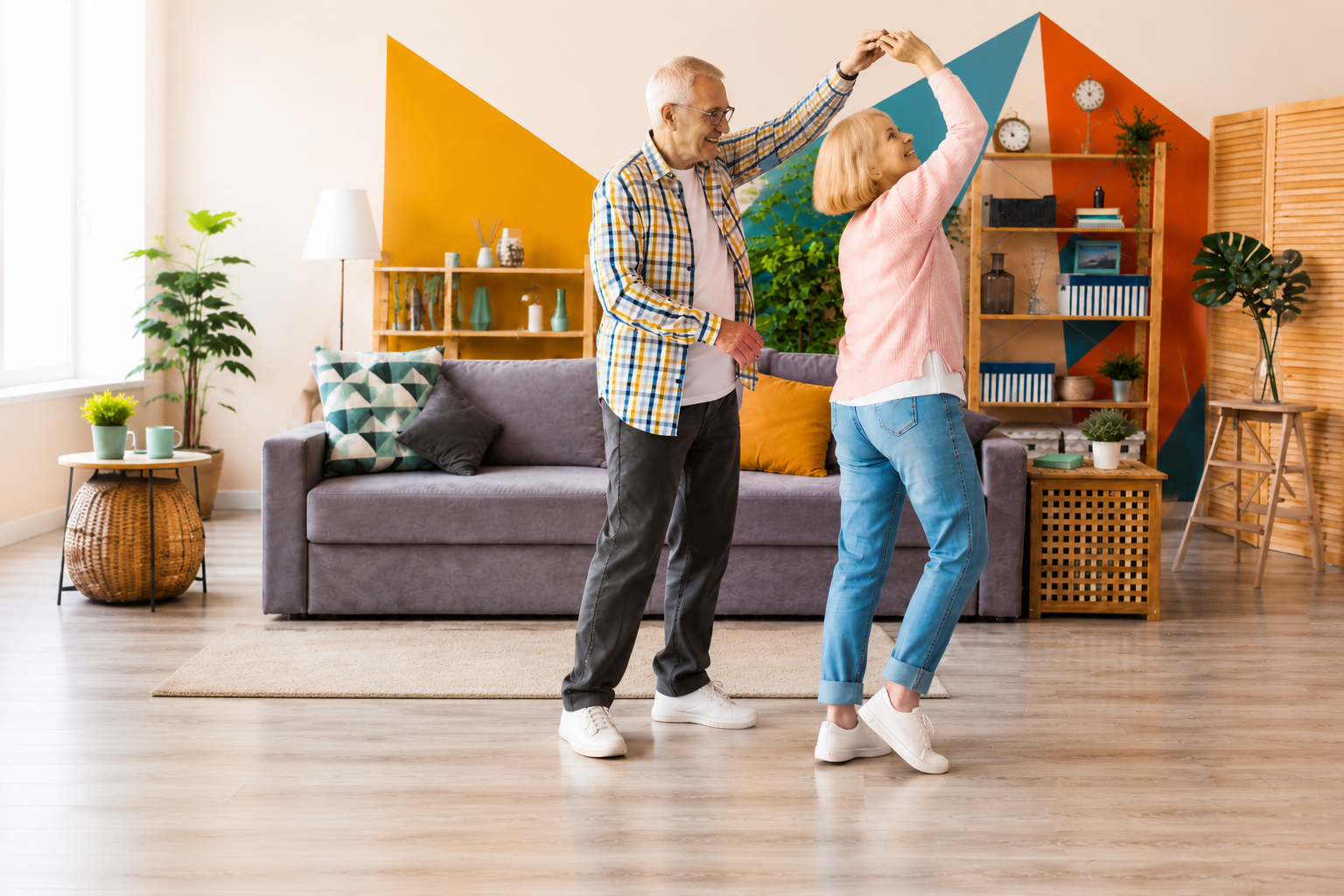
Fall prevention tips for seniors can help reduce injuries, improve confidence, and support independent living. Falls are one of the leading causes of injury among older adults, but many can be prevented with simple safety changes at home.
What You'll Learn
Why Fall Prevention Tips for Seniors Matter
Falls can affect confidence, mobility, and independence. Even a minor fall may lead to injuries that make daily activities more difficult. Taking steps to reduce fall risk can help older adults remain active and continue living safely at home.
Simple changes such as improving lighting, removing tripping hazards, wearing supportive footwear, and staying physically active can improve safety. Many fall risks can be identified and corrected before an accident occurs.
For additional fall prevention information, visit the CDC STEADI Fall Prevention Program.
7 Fall Prevention Tips for Seniors at Home
Remove Tripping Hazards
Keep walkways clear and easy to move through.
- Loose rugs
- Clutter
- Electrical cords
- Pet toys or children's toys
Improve Lighting
Make sure all areas of the home are well lit, especially places used at night.
- Hallways
- Bathrooms
- Stairways
- Bedroom-to-bathroom paths
Use Support When Needed
Assistive devices can reduce fall risk when used properly.
- Canes
- Walkers
- Grab bars
- Sturdy handrails
Wear Proper Footwear
Footwear can make a major difference in stability and confidence.
- Avoid socks on hardwood floors.
- Avoid loose slippers.
- Choose non-slip, supportive shoes.
- Consider shoes with backs or elastic laces.
Stay Active and Build Strength
Weakness and poor balance are major causes of falls.
- Strength exercises
- Balance exercises
- Walking practice
- Getting up regularly during the day
Make the Bathroom Safer
Bathrooms are one of the highest-risk areas for falls because surfaces can be wet and slippery.
- Grab bars near the toilet and shower
- Non-slip mats
- Shower chairs or benches
- Better lighting
Review Medications
Some medications may contribute to dizziness, fatigue, or balance problems.
- Dizziness
- Fatigue
- Lightheadedness
- Balance changes
When Fall Prevention Tips Are Not Enough
Fall prevention tips for seniors are helpful, but some situations call for a professional evaluation. Consider asking for help if you or a loved one:
- Has had a recent fall
- Feels unsteady while walking
- Avoids activity due to fear of falling
- Holds onto furniture while walking
- Notices worsening balance, strength, or endurance
Early support can help identify the cause of balance problems and reduce the chance of future falls.
Who Benefits Most From Fall Prevention?
Fall prevention is important for all older adults, but some people may be at higher risk. This includes people who have experienced a previous fall, use a cane or walker, take multiple medications, or notice changes in strength or balance.
Family caregivers can also play an important role by helping identify hazards around the home and encouraging safe daily habits. Small changes made early can help prevent larger problems in the future and support long-term independence.
You may also find our One Leg Stand Test for Seniors helpful for understanding balance and fall risk.
How Continuity Healthcare Can Help With Fall Prevention
At Continuity Healthcare, our therapists regularly educate patients on fall prevention tips for seniors and provide personalized recommendations based on individual needs and home environments.
Strength and Balance Training
Improve the physical skills needed for safer walking, transfers, and daily activity.
Home Safety Recommendations
Identify common home hazards and improve safety in real-life living spaces.
Personalized Care Plans
Build a plan based on your goals, mobility level, medical history, and home environment.
Caregiver Education
Help family members understand how to support safety and confidence at home.
Frequently Asked Questions
What are the best fall prevention tips for seniors?
The best fall prevention tips include removing tripping hazards, improving lighting, wearing supportive shoes, using grab bars or assistive devices when needed, staying active, and reviewing medications that may affect balance.
How can seniors prevent falls at home?
Seniors can reduce fall risk at home by keeping walkways clear, adding nightlights, using non-slip mats, securing rugs, installing grab bars, and practicing strength and balance exercises.
What is the most common cause of falls in older adults?
Falls often happen because of a combination of factors, including weakness, poor balance, medication side effects, vision changes, clutter, poor lighting, and unsafe bathroom surfaces.
Are balance exercises helpful for fall prevention?
Yes. Balance exercises can help improve stability, confidence, walking safety, and reaction time. Exercises should be matched to the person's ability and performed near support when needed.
When should someone get professional help for fall risk?
Consider professional help after a fall, frequent balance loss, fear of falling, difficulty walking, or noticeable changes in strength, endurance, or mobility.
Take the First Step Toward Safer Living
These fall prevention tips for seniors are most effective when combined with regular activity, safe home habits, and professional guidance when needed.
Continuity Healthcare provides outpatient physical therapy in the comfort of your home to help older adults improve balance, strength, walking safety, and confidence.
Start Therapy at Home