

Home Safety
Home safety is an important part of helping older adults move with confidence, reduce fall risk, and stay independent longer. Explore practical home safety tips, room-by-room guidance, and fall prevention resources designed for safer daily living.
Patient Education
Home Safety Resources for Seniors
Home safety is an important part of aging well at home. Small changes to lighting, flooring, furniture placement, bathroom setup, and daily routines can help older adults move more safely and confidently.
This resource center brings together home safety articles for seniors and caregivers, including room-by-room fall prevention tips, common household hazards, and practical ways to reduce fall risk at home.
Read therapist-informed articles about reducing home hazards, improving safety, preventing falls, and creating a more supportive living environment.
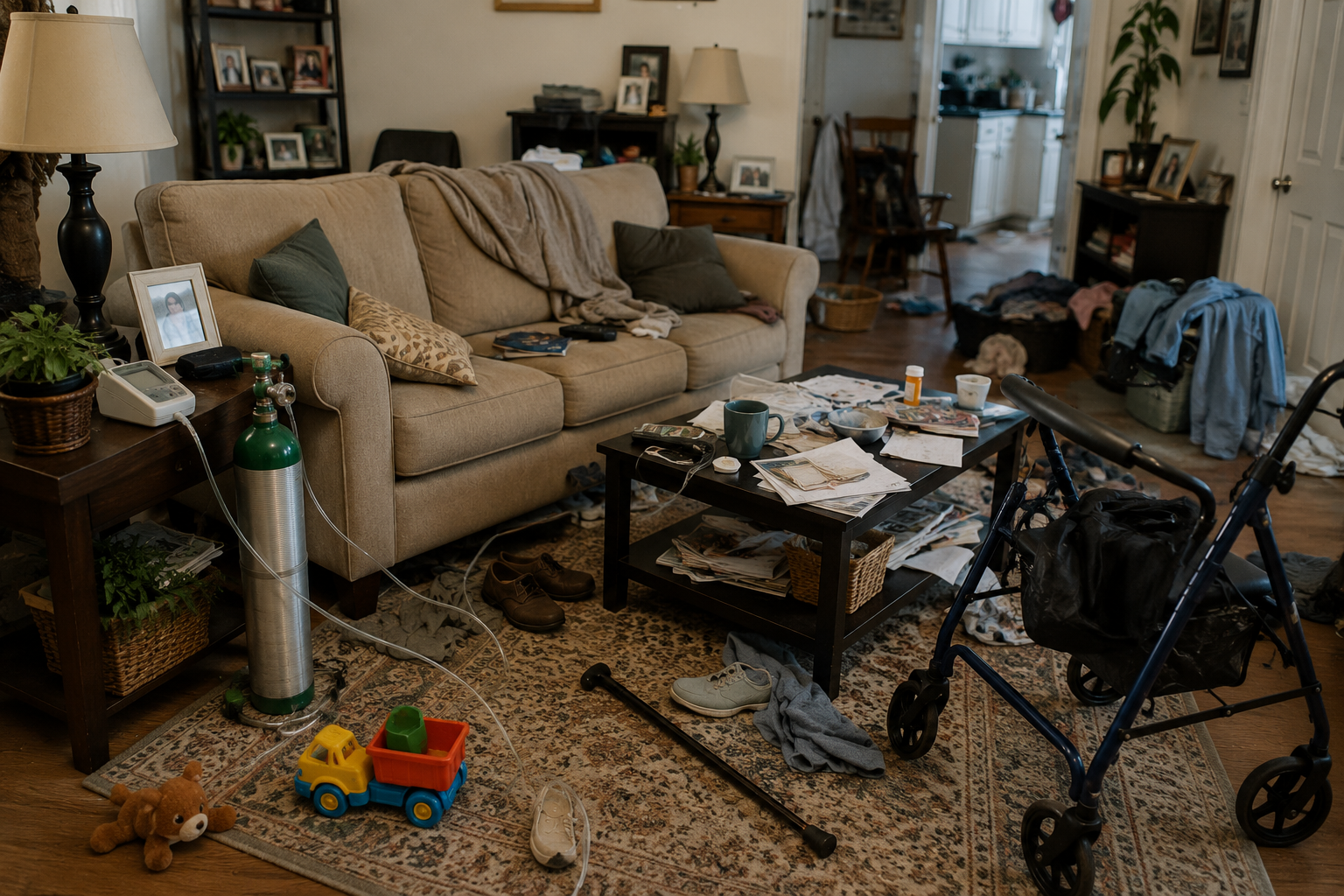
Home Hazards That Increase Fall Risk: A Room-by-Room Guide
Learn common home hazards that can increase fall risk and simple changes that may help make each room safer.
Read ArticleAdditional Home Safety Resources
Continue exploring related topics that support home safety, fall prevention, balance, mobility, and independent living.
- Home Hazards That Increase Fall Risk
- Fall Prevention Resource Center
- Balance & Mobility Resource Center
- Timed Up and Go Test for Seniors
- Strength and Exercise Resource Center
For additional home fall prevention guidance, visit the CDC Check for Safety Home Fall Prevention Checklist .
Why Home Safety Matters for Older Adults
Many falls happen at home during everyday activities such as walking to the bathroom, getting out of a chair, reaching for items, or moving through cluttered spaces. Improving the home environment can help reduce unnecessary risks.
Home safety is especially important for older adults with balance problems, weakness, vision changes, recent surgery, medication changes, or a history of falls.
Common Home Safety Concerns
Loose rugs, poor lighting, clutter, slippery bathroom surfaces, uneven flooring, and hard-to-reach items can all increase fall risk. A room-by-room review can help identify simple changes that may improve safety.
How Therapy Can Help
A physical therapist can assess how a person moves in their actual home environment and recommend practical strategies to improve safety, walking, transfers, balance, and confidence.
What makes a home safer?
Clear walkways, good lighting, secure rugs, supportive footwear, grab bars, and frequently used items within easy reach can all support safer movement.
What rooms are highest risk?
Bathrooms, bedrooms, stairs, kitchens, and entryways are common areas where older adults may be at higher risk for falls.
Can therapy help with home safety?
Yes. Physical therapy at home can help identify safety concerns and improve the strength, balance, and mobility needed for daily activities.